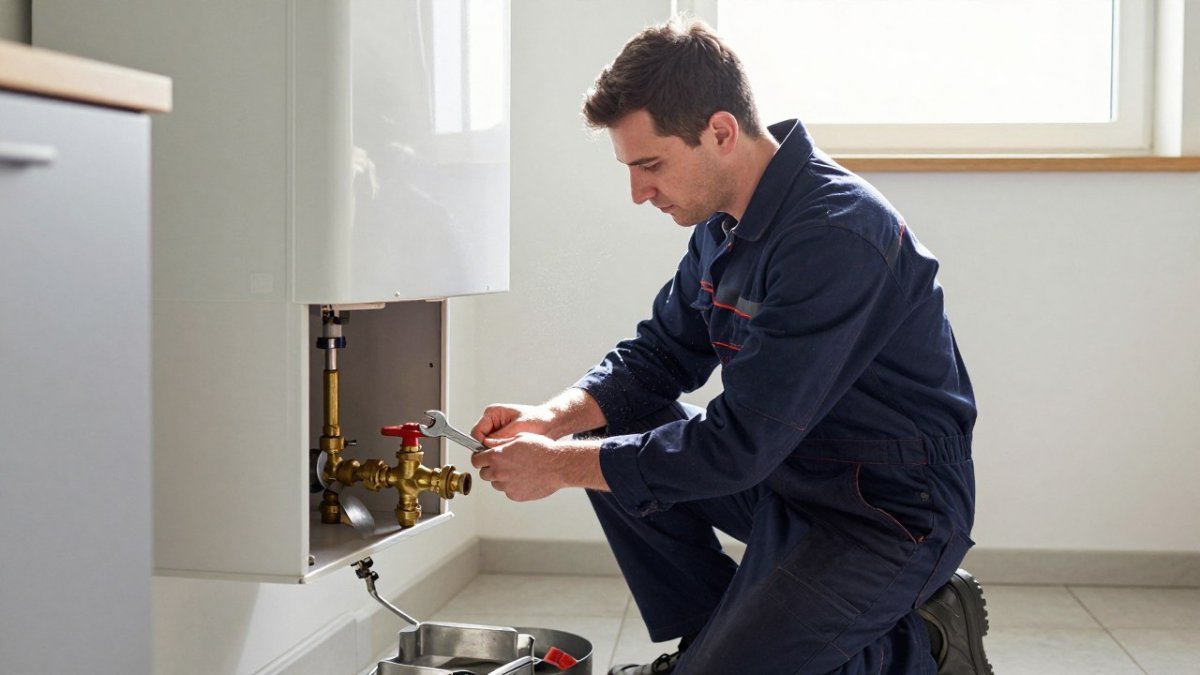
 listicle
5 Common Boiler Fault Codes and Fixes
Last Updated: November 12, 2026
Quick Summary
The five most common boiler fault codes cover low water pressure, ignition failure or flame loss, fan and airflow faults, temperature sensor or thermistor faults, and pump or circulation faults. Each code points to a symptom rather than a failed part, so confirm it against your exact boiler model before acting. You can safely reset once and check pressure, but gas, flue and combustion work is Gas Safe engineer-only.
- Most sealed systems run between 1 and 1.5 bar cold, so top up via the filling loop if the gauge reads low.
- Confirm every code against your own boiler's manual, because codes differ between brands and ranges.
- Reset once only, and book an engineer if the same code returns within hours or days.
- Only Gas Safe registered engineers may legally work on gas appliances in the UK.
- If you smell gas, leave the property and call the National Gas Emergency Service on 0800 111 999.
Table of Contents
- Why Boiler Fault Codes Are a Starting Point, Not a Diagnosis
- How to Identify Your Boiler Model and Verify a Code
- Boiler Error Codes and Meanings: The Five Most Common Faults
- Fault Codes vs Symptoms: A Quick Comparison Table
- How to Reset a Boiler (and When a Reset Is Not Enough)
- Combi Boiler Error Codes: What's Different
- When to Call a Gas Safe Engineer
- Frequently Asked Questions
Why Boiler Fault Codes Are a Starting Point, Not a Diagnosis
A boiler fault code is a message from the control board telling you which sensor or safety circuit has tripped, not what has actually failed.
Modern boilers log a fault and lock out to protect themselves. The code tells you where to look, not what to replace.
That is why the boiler fault codes you find online rarely match the repair you end up needing.
For a proper diagnosis rather than a guess, our boiler fault code diagnosis service explains what the code means and what happens next.
How to Identify Your Boiler Model and Verify a Code
The fastest way to verify a code is to match it against your exact boiler model, not a generic list.
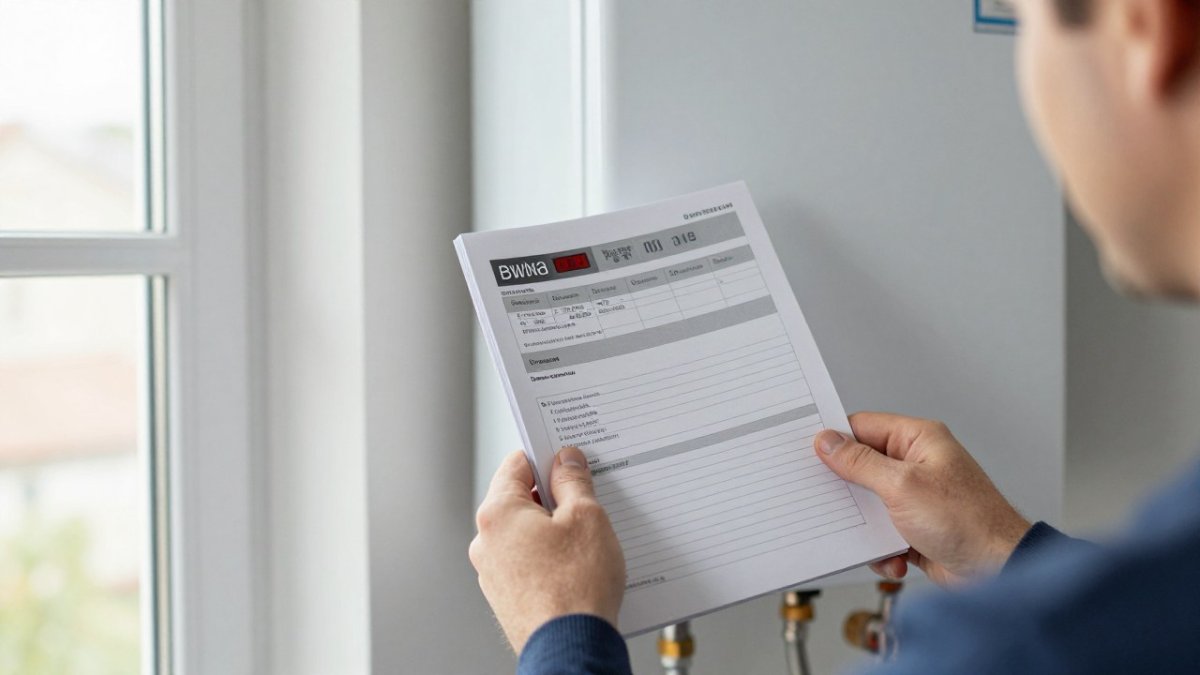
Find the data badge, usually on the underside or side panel, and note the make, model and serial number.
Vaillant, for example, publishes its own fault code reference covering codes such as F22, F28 and F75. Worcester Bosch and Ideal each have their own numbering.
Never act on a code until you have confirmed it against your model. This single step prevents most wasted call-outs.
Boiler Error Codes and Meanings: The Five Most Common Faults
Most boiler error codes and meanings fall into five recurring families. Below are the five we are called out for most, what each means, what you can safely check yourself, and the point at which a code stops being a DIY matter. Code meanings vary by manufacturer and model, so confirm each code against your own boiler's manual before acting on it.
1. Low Water Pressure Fault
What this code means: System pressure has dropped below the boiler's safe operating threshold, so it locks out.
Possible causes: A small leak, a recently bled radiator, or a faulty pressure sensor.
Simple checks you can do yourself:
- Read the pressure gauge; most sealed systems run between 1 and 1.5 bar cold.
- If low, locate the filling loop and open it slowly to top up.
- Close it firmly once the gauge reads correctly, then reset once.
When to call an engineer: If pressure keeps falling after topping up, you have a leak that needs tracing. A pressure sensor fault also needs a Gas Safe engineer.
2. Ignition Failure or Flame Loss
What this code means: The boiler tried to light and either could not ignite or lost the flame during operation.
Possible causes: Gas supply interruption, a frozen condensate pipe, or a faulty flame sensor.
Simple checks you can do yourself: Confirm other gas appliances work. In cold weather, check the condensate pipe for ice. Then reset once.
When to call an engineer: Any fault involving the gas valve or flame detection is engineer-only work.
Prevention and recurrence: A condensate pipe that freezes every winter needs lagging or rerouting.
3. Fan and Airflow Fault
What this code means: The fan has not reached the correct speed, or airflow is restricted, so the boiler shuts down safely.
Possible causes: A failing fan motor, a blocked flue, or debris in the air intake.
Simple checks you can do yourself: None beyond a single reset. The flue and fan sit inside the combustion circuit.
When to call an engineer: Always. This is a combustion-safety fault. Our boiler fan repair service covers diagnosis and replacement.
4. Temperature Sensor or Thermistor Fault
What this code means: The flow or return thermistor is sending an implausible reading, or the circuit is open or shorted.
Possible causes: A failed NTC sensor, a loose connection, or a wiring fault.
Simple checks you can do yourself: Reset once to clear a temporary glitch. Nothing else is safe to touch.
When to call an engineer: A recurring sensor code needs the thermistor tested and replaced. This is straightforward engineer work.
5. Pump or Circulation Fault
What this code means: The pump is blocked, seized, or not moving water around the heating system.
Possible causes: A blocked pump, trapped air, or a circulation restriction.
Simple checks you can do yourself: Check that radiator valves are open and the system is not air-locked. Reset once.
When to call an engineer: A seized or blocked pump needs professional attention. See our heating pump repair service for what the fix involves.
Safety boundaries: what you can and cannot touch
Reading the pressure gauge, topping up via the filling loop, checking that other gas appliances work, checking a condensate pipe for ice, opening radiator valves and pressing the reset button are all safe for a homeowner. Opening the boiler casing, touching the flue, working on the gas valve, flame detection, fan or any combustion component is not, in the UK only Gas Safe registered engineers may legally work on gas appliances. If you smell gas, leave the property and call the National Gas Emergency Service on 0800 111 999.
Reset, monitor, or call: a simple decision path
- Reset once when the code followed a pressure top-up, a brief gas interruption or a one-off glitch, and the boiler then runs normally.
- Monitor when the boiler runs after a reset but the same code returns within days or weeks, book a service rather than resetting repeatedly.
- Call an engineer when the code returns within hours, involves the fan, flue or flame detection, or comes with a gas smell. Repeated resets on a gas or combustion fault can mask a real safety issue.
Fault Codes vs Symptoms: A Quick Comparison Table
Use this table to decide fast whether a fault is a safe DIY check or engineer-only work.
| Fault | Typical Symptom | DIY-Safe? | Engineer Needed? |
|---|---|---|---|
| Low pressure | Gauge below 1 bar, lockout | Yes, top up via filling loop | If pressure keeps dropping |
| Ignition or flame loss | No hot water, repeated lockout | Reset once only | Yes, for gas-side faults |
| Fan or airflow | Lockout, noisy fan, no heat | No | Yes, always |
| Sensor or thermistor | Erratic temperature, recurring code | Reset once only | Yes, if it returns |
| Pump or circulation | Cold radiators, no heating | Check valves, reset once | Yes, if pump is seized |
How to Reset a Boiler (and When a Reset Is Not Enough)
A boiler reset clears a lockout and lets the boiler try again. It does not fix the underlying fault, and that is the part most guides skip.
The standard reset: press and hold the reset button for a few seconds, wait a couple of minutes, and watch whether the boiler fires.
Watch out: Resetting repeatedly is the most common mistake homeowners make. If the same code returns within hours, stop resetting and book an engineer; repeated resets on a gas, fan or flame fault can mask a real safety issue.
When a reset is enough
A reset is reasonable when the lockout followed a pressure top-up, a brief gas interruption, a power cut or a one-off glitch, and the boiler then runs normally for days. In those cases, note the date and code so you can tell an engineer if it happens again.
When a reset is not enough
A reset is not enough when:
- the same code returns within hours or days;
- the fault involves the fan, flue or flame detection;
- you smell gas, leave the property and call the National Gas Emergency Service on 0800 111 999;
- pressure keeps falling after topping up;
- the boiler locks out repeatedly with no obvious trigger.
In these cases the code is pointing to a component or safety circuit that needs testing, not a transient lockout.
Reset, monitor, or call: a decision path
- Reset once when the code followed a known trigger (pressure top-up, gas interruption, power cut) and the boiler then runs normally.
- Monitor when the boiler runs after a reset but the same code returns within days or weeks, book a service rather than resetting again.
- Call an engineer when the code returns within hours, involves the fan, flue or flame detection, or comes with a gas smell.
What a call-out involves and what drives cost
A Gas Safe engineer will typically read the fault log, test the component the code points to, and confirm whether the fault is the sensor, the wiring or the component upstream. Repair cost depends on the part, the access and the nature of the fault; contact Central Heating Scotland for a quote. Ask for a diagnosis before authorising a repair, and confirm the engineer's Gas Safe registration on the official Gas Safe Register. Pricing depends on the fault and the access required, so contact Central Heating Scotland for a quote.
Combi Boiler Error Codes: What's Different
Combi boiler error codes behave differently because a combi has no tank and responds instantly to demand. Pressure faults show up faster, and diverter valve issues appear as codes that look like temperature faults.
Combi codes also split between heating and hot water modes, so note which mode was running when the code appeared. For model-specific help and booking, see our combi boiler service.
When to Call a Gas Safe Engineer
Call a Gas Safe engineer for anything inside the combustion circuit, any gas smell, and any code that returns after a reset.
If you smell gas, leave the property and call the National Gas Emergency Service on 0800 111 999 immediately. Do not reset the boiler.
For fast help, our emergency boiler repair page covers same-day call-outs.
A recurring fault code is your boiler telling you something needs proper attention, not another reset.
Frequently Asked Questions
What are the most common boiler fault codes?
The five faults behind most call-outs are low water pressure, ignition failure or flame loss, fan and airflow faults, temperature sensor faults, and pump or circulation faults. Codes differ by brand and model. Always check your own boiler's manual or the manufacturer's fault code list, because the same letters and numbers can mean something different on another make or model.
Can I reset my boiler after a fault code appears?
You can try a reset once. Press and hold the reset button for the time stated in your manual, usually around three to five seconds, then wait a few minutes. If the code clears and stays off, monitor the boiler. If the same code returns or the boiler locks out again, stop resetting it. A recurring fault means a component or supply problem needs diagnosis, and repeated resets can hide a fault that is getting worse.
Which boiler fault codes can I fix myself?
Safe DIY checks are limited to low water pressure (top up via the filling loop to the pressure gauge's marked range), a frozen condensate pipe (thaw it gently with warm water), and confirming the gas supply is on at the meter. Anything involving the gas valve, burner, fan, PCB, or sealed combustion parts is engineer-only work under Gas Safe rules. If in doubt, book a Gas Safe registered engineer rather than opening the boiler casing.
Do boiler fault codes mean the same thing on every make and model?
No. Codes are manufacturer-specific and often model-specific. A code can indicate different faults on different brands, and some brands use letters while others use numbers. Find the exact model and serial number on the boiler's data badge, then check that model's manual or the manufacturer's official fault code guide before acting on any code.
Why does my boiler keep showing a low-pressure fault code?
A one-off low-pressure code usually means the system needs topping up. If the code returns within days or weeks, water is escaping somewhere: a leaking radiator valve, a failed pressure relief valve, or a small pipe leak. Topping up repeatedly without finding the cause can corrode the system and damage components. A Gas Safe engineer can pressure-test the system and repair the leak rather than just refilling it.