 how-to
Is It Safe to Use a Boiler With a Fault Code?
Last Updated: November 7, 2026
Quick Summary
Usually, no. If you are asking is it safe to use a boiler with a fault code, the safest default is to stop using it until the fault is understood, because a displayed code means something has gone wrong inside a gas appliance. Turn it off if it has locked out, you smell gas, or you see any warning sign.
- A boiler fault code tells an engineer where the fault diagnosis has landed, not a full diagnosis on its own.
- For a fault code with no warning signs, one reset is acceptable, then stop if the same code returns.
- Do not reset the boiler if you smell gas, a CO alarm sounds, or the pressure gauge is at zero.
- Gas appliance work is legally restricted to Gas Safe registered engineers under the Gas Safety (Installation and Use) Regulations 1998.
- Note the exact code, make, model and serial number from the data badge before the engineer arrives.
Table of Contents
- Is It Safe to Use a Boiler With a Fault Code Showing?
- Boiler Fault Codes and Meanings: What the Display Is Telling You
- Should I Turn My Boiler Off If It Has a Fault?
- How to Reset a Boiler Safely (And When Not To)
- When to Call a Gas Safe Registered Engineer
- Safe to Use or Not? A Symptom-Led Decision Guide
- What Happens When an Engineer Visits, and What to Tell Them
- Book a Gas Safe Engineer to Diagnose Your Fault Code
- Frequently Asked Questions
Is It Safe to Use a Boiler With a Fault Code Showing?
Usually, no.
That does not mean every code signals danger. Some are minor. But you cannot tell which is which just by looking at the display.
Here is the honest rule: if the boiler has locked out, if you smell gas, or if you see any warning sign, switch it off and call for help.
Boiler Fault Codes and Meanings: What the Display Is Telling You
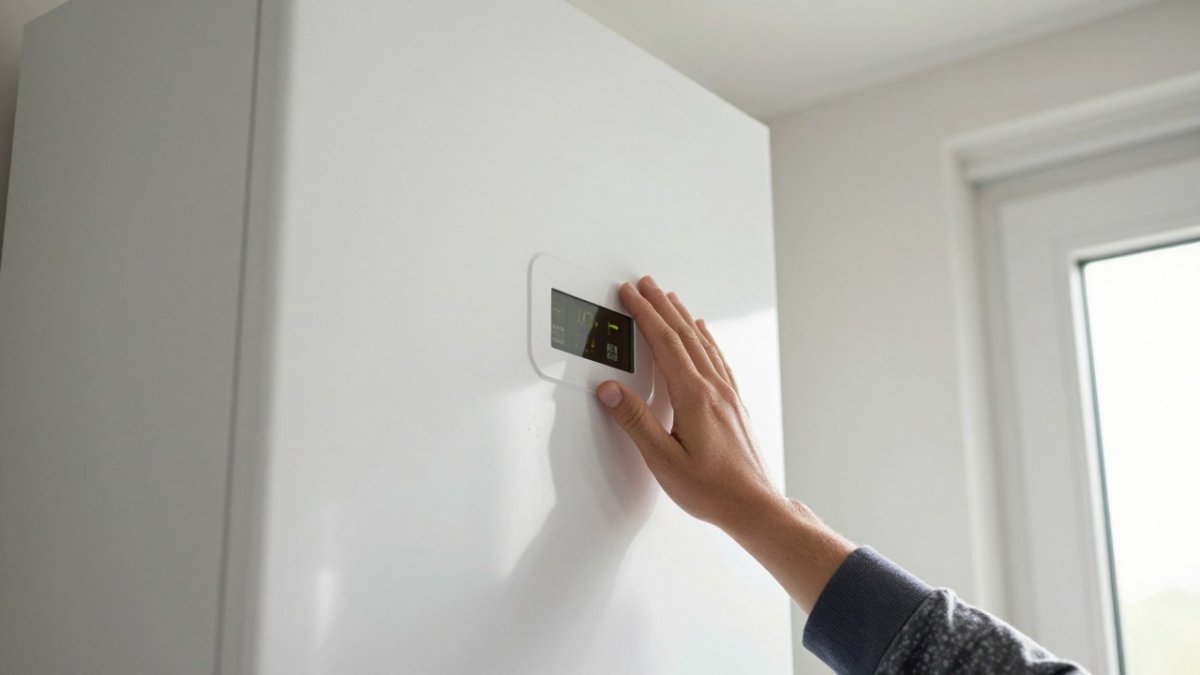
A boiler fault code is a short letter-and-number message on the boiler display.
Common codes cover ignition faults, low water pressure, frozen condensate pipes and sensor faults. Every manufacturer uses its own system.
That is why the code alone will not tell you if the boiler is safe. You need the model and the manual.
Where to Find Your Boiler Model and Code
Look for the data badge, usually on the underside or inside the front casing. Note the make, model and the exact code shown. Then check your installation manual.
If you cannot find the manual, the manufacturer's website usually lists codes for your model. For a worked example, see our guide to Worcester Bosch EA fault code repair cost.
Should I Turn My Boiler Off If It Has a Fault?
Turn the boiler off if the code comes with a lockout, a smell of gas, or any sign of trouble. A boiler lockout means the appliance has shut itself down for safety.
Emergency Warning Signs That Mean Switch It Off Now
Stop and act immediately if you notice:
- A smell of gas, or a rotten-egg odour
- Soot, scorch marks or yellow flames instead of blue
- A carbon monoxide alarm sounding
For gas, open windows, avoid flames and switches, leave the property and call the gas emergency line. For fast help, see our guide to emergency boiler repair near you.
How to Reset a Boiler Safely (And When Not To)
A reset is not a repair. It clears the lockout and lets the boiler try to fire again, but it does not fix the underlying fault. That distinction matters, because a single reset is reasonable for a one-off glitch and a bad idea for a fault that keeps returning.
What a Reset Actually Does
When a boiler locks out, the control board has detected a condition it will not run through, a failed ignition attempt, an unstable flame signal, a pressure switch that has not proved, or a sensor reading outside its expected range.
Most domestic boilers allow a limited number of reset attempts before the lockout becomes permanent and requires an engineer to clear it.
The One-Reset Rule
For a fault code with no warning signs, one reset is acceptable:
- Note the exact code on the display before you touch anything.
- Press the reset button once, usually marked with a flame and a circular arrow, or labelled 'reset' in the manual.
- Wait at least three minutes for the boiler to run its start sequence.
- If the boiler fires and runs normally, note the code and book a service so the cause is checked.
- If the same code returns, stop. Do not press reset again.
Watch out: on some models the reset button doubles as a pressure or mode control, so a long press can change settings rather than reset the boiler. Check the manual for your exact model before you press anything.
When You Must Not Reset
Do not reset the boiler, under any circumstances, if any of the following apply:
- You can smell gas, or a carbon monoxide alarm is sounding.
- There are soot marks, scorch marks or a yellow, lazy flame instead of a crisp blue one.
- The boiler has leaked water or the casing is wet.
In these cases the boiler has shut down because running it could be dangerous. A reset overrides that decision. Switch the boiler off at the control panel and, where gas or carbon monoxide is suspected, follow the emergency steps in the section above.
Why Repeated Resets Are a Bad Habit
A recurring fault is information. Each reset that ends in another lockout narrows the diagnosis, and an engineer will want to know how often it happens and whether the code is always the same. Resetting on repeat to force heating on does three harmful things: it hides the pattern from the engineer, it puts the appliance through ignition cycles it has already failed, and on some faults it can cause unburnt gas to accumulate before ignition.
Faults That Commonly Clear With One Reset, and What They Still Mean
Some codes clear on a single reset and then behave for weeks. That does not make them harmless. A low-pressure fault that clears may still point to a slow leak or a failing expansion vessel.
If you are unsure whether your fault falls into the reset-once category or the never-reset category, our boiler fault code repair service can talk you through it before you touch the panel.
When to Call a Gas Safe Registered Engineer
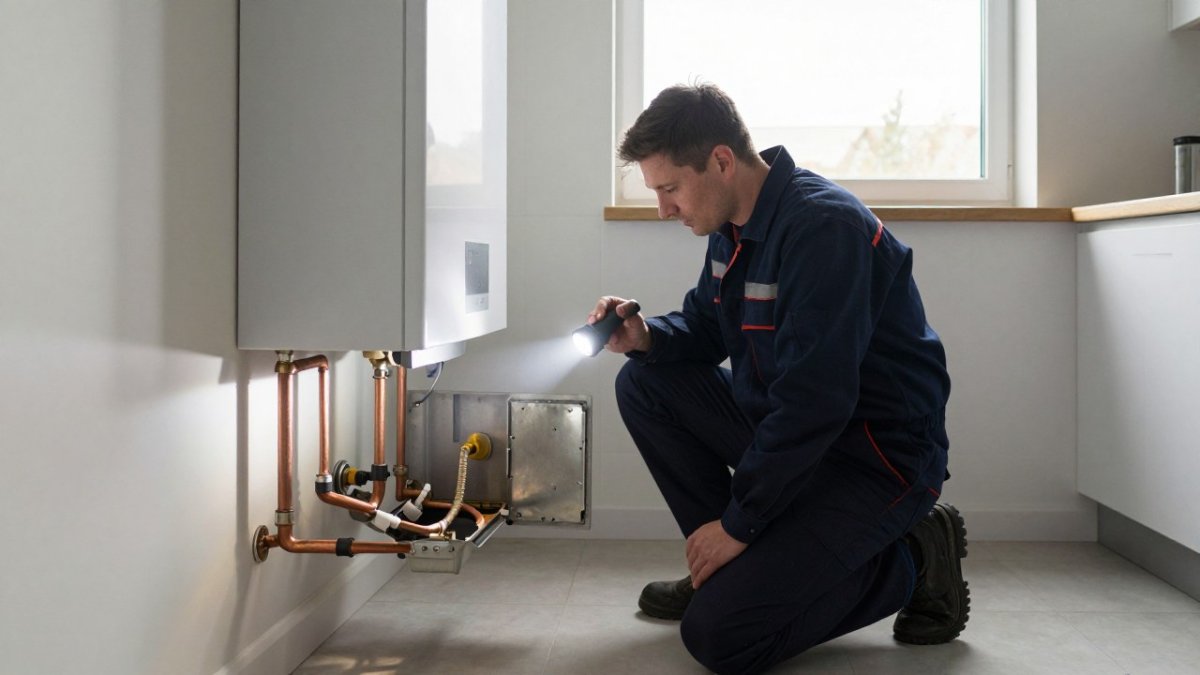
Call an engineer for any fault you cannot clear with one reset. Gas appliance work is legally restricted to Gas Safe registered engineers. This covers gas components, flame detection and anything inside the casing.
If you are unsure whether your fault needs a visit, our boiler fault code repair service explains what we cover.
Safe to Use or Not? A Symptom-Led Decision Guide
Use this table to judge your own situation before you decide.
| What you see | Safe to use? | What to do |
|---|---|---|
| Code with no lockout, heating still works | Not advised | Note the code, book a service |
| Boiler locked out, will not fire | No | One reset only, then call an engineer |
| Low pressure reading on the gauge | No | Do not top up repeatedly, call for help |
| Smell of gas or CO alarm | No, emergency | Leave the property, call the gas emergency line |
| Frozen condensate pipe in cold weather | No | Thaw carefully or call an engineer |
If you have no hot water while waiting, our guide to handling a broken boiler with no hot water covers your options.
What Happens When an Engineer Visits, and What to Tell Them
Most fault-code visits follow a similar pattern, and knowing it in advance can make the appointment quicker. It also helps you understand which checks you can safely do yourself and which are legally restricted to a Gas Safe registered engineer.
What You Can Safely Check Before the Engineer Arrives
These are low-risk, user-level checks. None of them involves opening the casing or touching gas or electrical components:
- Read and record the exact code on the display, including any letters and numbers.
- Find the data badge and note the make, model and serial number.
- Check the pressure gauge reading against the figure in your manual.
What Is Engineer-Only Work
Anything inside the boiler casing, anything involving the gas supply, the flue, flame detection, the heat exchanger, or the electrical connections to the appliance is restricted work. Under the Gas Safety (Installation and Use) Regulations 1998, gas work must be carried out by a Gas Safe registered engineer. That includes diagnosing and repairing the fault behind most lockout codes.
What to Tell the Engineer
A short, factual handover saves time. Have the following ready:
- The exact fault code, and any earlier codes you have seen.
- The boiler make, model and serial number from the data badge.
- When the fault first appeared and how often it recurs.
If the code is intermittent and clears before the engineer arrives, a photograph of the display is more useful than a description. Record the code each time it appears, with the date and time, so the pattern is visible.
What the Visit Typically Involves
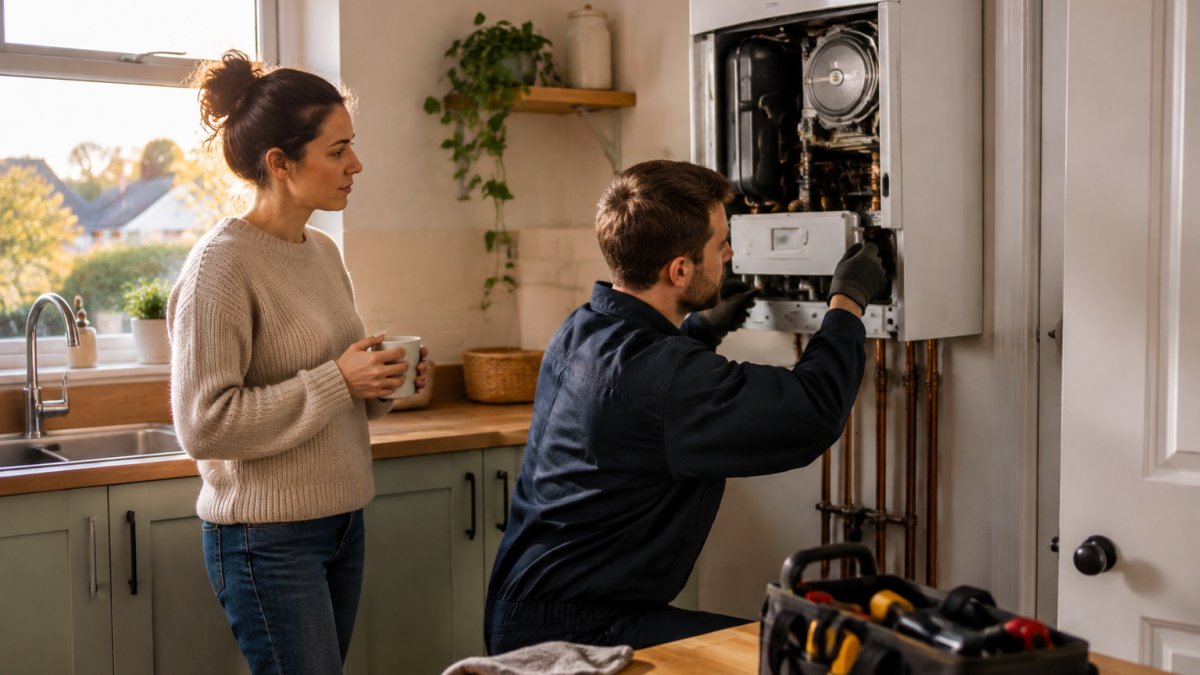
A fault-code visit usually starts with a safety check of the appliance and its flue, followed by a full fault diagnosis.
Some visits end with a repair on the day. Others end with a diagnosis and a return visit once a part is ordered. A few end with advice that the fault is intermittent and should be monitored, with a note of what to watch for.
Preparing the Property
Clear access to the boiler and its flue, and make sure anyone at home knows an engineer is coming. If you have a landlord or letting agent, confirm who is responsible for authorising the repair before the visit.
If you need to book a diagnosis, our boiler fault code repair service explains what is covered and how to prepare.
Book a Gas Safe Engineer to Diagnose Your Fault Code
A fault code is a question, not an answer. The safe path is to switch off when in doubt and let a qualified engineer read the display properly.
Central Heating Scotland's Gas Safe registered engineers offer same-day emergency boiler repair across Glasgow and the West of Scotland, and also provide annual servicing and landlord gas safety certificates.
Contact Central Heating Scotland for current pricing or a quote, and get your heating back on safely.
Frequently Asked Questions
Is it safe to use a boiler when a fault code is showing?
It depends on the code and the symptoms. Some boiler fault codes, such as a low pressure warning, are safe to check and reset yourself using the filling loop and the instructions in your manual. Others, including ignition faults, flame detection errors or repeated lockouts, point to gas-side or combustion problems that only a Gas Safe registered engineer should investigate. If you smell gas, see yellow flames instead of blue, or notice soot or condensation inside windows, stop using the boiler and act immediately.
Can I reset my boiler if it has a fault code?
A single reset is usually fine and often clears a temporary glitch, such as a brief pressure drop or a power interruption. Press the reset button once, wait a few minutes, and see whether the fault clears. If the same boiler fault code returns, do not keep pressing reset. Repeated resets can mask a real fault, and on some models they can cause a safety shutdown. Log the code, check your manual, and call a Gas Safe registered engineer if it comes back.
What boiler fault codes mean the boiler is unsafe to use?
Any code linked to ignition, flame detection, overheating or gas supply should be treated as unsafe until an engineer has checked it. Codes that appear alongside a smell of gas, a yellow or orange flame, sooty marks, or a carbon monoxide alarm sounding are an emergency. Turn the boiler off at the control panel, open windows, avoid using electrical switches, and call the gas emergency line. For non-emergency codes, book a Gas Safe registered engineer to diagnose the fault.
Can a boiler fault code cause a gas leak or carbon monoxide leak?
A fault code itself does not cause a leak, but it can be the first sign of a problem that could lead to one. Ignition faults, blocked flues and incomplete combustion can produce carbon monoxide, which is why gas-side faults need a qualified engineer. A working carbon monoxide alarm on each floor and an annual service are the best safeguards. If your alarm sounds or you suspect a leak, treat it as an emergency and call the gas emergency line straight away.
Can I use my boiler if it is still providing heating or hot water?
Sometimes yes, but only if the fault code is a minor one and you have no other warning signs. A boiler that runs but shows an intermittent fault code may still be safe for short periods, but the underlying cause will not fix itself. Note the code, check the manual, and book a service visit. If the fault becomes recurring, if the boiler locks out, or if you notice any smell, noise or flame colour change, stop using it and call a Gas Safe registered engineer.